


To guarantee your home stays comfortable, understanding air conditioning repair, installation, and replacement is essential. First, familiarize yourself with the key components, like the compressor, evaporator, and ductwork. Regular maintenance can prevent issues like refrigerant leaks or reduced airflow from dirty filters. When choosing a new unit, consider SEER ratings for energy efficiency. Proper installation is imperative, especially for sizing and placement. Watch for signs your system needs repair or replacement, including unusual noises or rising energy bills. There’s much more to explore about maintaining and optimizing your AC system for peak performance, so keep going.
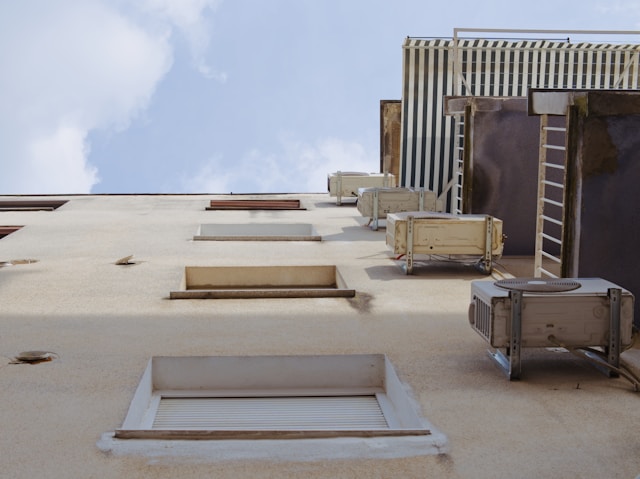
Introduction to air conditioning services in Freehold NJ
When it comes to keeping your home comfortable in Freehold, NJ, understanding your air conditioning options is vital. Knowing the services available can help you manage your indoor climate effectively. In Freehold, you’ll find reliable Air Conditioning Repair services that address common issues such as refrigerant leaks or electrical failures. Timely repairs can prevent small problems from escalating into larger, more costly issues, guaranteeing your system runs efficiently.
If you’re considering a system upgrade, AC installation in Monmouth County offers various high-efficiency models tailored to meet your needs. It’s important to select a system that’s correctly sized for your space; a poorly sized unit can lead to inefficient cooling and increased energy bills.
Regular HVAC maintenance services in NJ are key to prolonging the life of your air conditioning system. Routine inspections can help identify potential issues early on, optimizing performance and reducing energy costs. Engaging with local professionals guarantees you receive high-quality service, allowing you to enjoy a consistently comfortable home environment year-round. Stay proactive about your air conditioning needs to enhance both comfort and peace of mind in your Freehold residence.
Overview of repair, installation, and replacement services
Repair, installation, and replacement services are crucial for guaranteeing your air conditioning system operates at peak efficiency. You’ll find that addressing issues like refrigerant leaks or malfunctioning thermostat controls through air conditioning repair keeps your system running smoothly. Routine maintenance is key, as it prevents minor problems from escalating into costly repairs.
When it comes to installation, proper execution is essential. Ductless mini-split installation, for example, requires precise measurements to optimize cooling and heating performance without extensive ductwork. Correctly sizing the unit based on your home’s needs guarantees you’re not wasting energy and money.
If your unit is aging and frequently breaking down, it might be time to evaluate ac replacement services nj. Upgrading to a newer model with a higher SEER rating can lead to significant energy savings over time. The replacement process should be managed by a qualified technician to assure correct installation, promoting longevity and reliability.
How air conditioning systems work in modern homes
Air conditioning systems function by creating a comfortable indoor environment through a series of controlled processes involving heat transfer. In modern homes, central air conditioning systems typically consist of a compressor, an evaporator, and a series of ducts that distribute cooled air throughout the space. The compressor pumps refrigerant through the system, absorbing heat from indoor air and transferring it outside, while the evaporator cools the air that is then circulated through your home.
To guarantee optimal performance, you should pay attention to the SEER rating, which measures energy efficiency. A higher SEER rating indicates better energy savings, reducing your utility bills during those hot months. If you find that your air conditioner is not cooling effectively, there are a few common fixes to explore. This might include checking the refrigerant levels, cleaning the evaporator coil, or confirming that the thermostat is functioning correctly.
Understanding these basic functions can help you identify when it’s time to call in a professional or consider potential upgrades. Regular maintenance checks will also keep your system running efficiently and prolong its lifespan. Remember, a well-maintained air conditioning system is key to enjoying a cool and comfortable home.
Key components of an AC system explained
Understanding the key components of an AC system is vital for effective operation and maintenance, as each part plays a specific role in delivering cool air to your home. The compressor is the heart of the system, compressing refrigerant gas and circulating it through the system. The condenser coil releases heat from the refrigerant to the outside air, while the evaporator coil absorbs heat from your indoor air, cooling it in the process.
Thermostats control the desired temperature by regulating the system’s operation. Moreover, the ductwork is essential for distributing cool air throughout your home efficiently. Each of these components must function properly to guarantee peak performance.
If you’re noticing issues, don’t hesitate to search for “emergency ac repair near me.” Sometimes, prompt action can prevent bigger problems down the line. Routine maintenance from professionals like Temprite Heating and Cooling NJ can also identify wear and tear before it leads to a breakdown. Familiarizing yourself with these components prepares you for potential emergencies and guarantees your air conditioning system runs smoothly all summer long.
Common air conditioning problems homeowners face
Homeowners often encounter a range of air conditioning problems that can disrupt cooling efficiency and comfort. One common issue is reduced airflow. This could stem from dirty filters, obstructed vents, or malfunctioning fans, all of which restrict air movement and result in uneven cooling. Another problem is the presence of ice on the evaporator coils, which may occur due to low refrigerant levels or restricted airflow, causing your system to freeze up and ultimately lead to failure.
You might also notice unusual noises, like grinding or squealing, indicating that mechanical components, such as the motor or compressor, might be failing. Electrical issues, such as blown fuses or tripped breakers, can interrupt operation and may point to larger underlying problems.
Causes of AC not cooling and system inefficiencies
Often, when an AC system isn’t cooling effectively, it can be traced back to several specific issues that impact performance. One common culprit is a dirty air filter, which restricts airflow and forces your unit to work harder, leading to increased energy consumption and inadequate cooling. Be certain to check and replace filters regularly.
Another issue could be blocked vents or ducts. If dirt or furniture obstructs airflow, the system can’t distribute air evenly, resulting in hot spots. Inspect your vents and clear any blockages.
Improper thermostat settings are also a frequent cause of inefficiencies. Confirm your thermostat is set to “cool” and is functioning accurately, as misplaced or faulty sensors can misread indoor temperatures.
Additionally, you might face problems with your system’s sizing. An incorrectly sized unit may struggle to cool your space effectively, whether it’s too small or unnecessarily large.
Lastly, verify the outdoor unit isn’t obstructed by debris or vegetation. Keep the area clean to maintain ideal performance. Addressing these issues can greatly enhance your AC’s efficiency and cooling capabilities.
Refrigerant leaks and compressor issues explained
A refrigerant leak can considerably impair your air conditioning system’s performance and efficiency. Refrigerant is the coolant that absorbs heat from your indoor air, so when there’s a leak, the system can’t cool as effectively, leading to higher energy bills and discomfort. You might notice reduced cooling, as well as hissing or bubbling sounds near the AC unit.
Compressors play an essential role in maintaining refrigerant pressure. If your system is low on refrigerant due to leaks, the compressor can struggle to keep up. This overexertion can lead to premature failure, requiring costly repairs or even replacement. An underperforming compressor might also produce unusual noises, indicating further issues.
To identify a refrigerant leak, you may need specialized tools, like a pressure gauge or UV dye. It’s important to find and fix the source before simply refilling the refrigerant. Neglecting refrigerant issues can lead to decreased efficiency and damage to your compressor.
Regular maintenance helps catch these problems early, ensuring your AC operates effectively. Monitoring refrigerant levels and inspecting for leaks are important steps in preserving the lifespan and efficiency of your system. Always consult a professional for thorough diagnostics.
When to choose professional AC repair services
Deciding when to call in professional AC repair services hinges on recognizing the signs of system distress and understanding the limitations of DIY solutions. If your AC unit is making unusual noises, such as grinding or hissing, it’s time to reach out to a professional. These sounds could indicate severe mechanical issues that require expert attention. Additionally, if you notice inconsistent cooling or rising energy bills, it often points to underlying problems like worn components or inefficiencies.
Don’t overlook refrigerant leaks, which can not only harm your system but also the environment. Handling refrigerants requires certification due to regulatory standards, making this a critical task for professionals. If you encounter frozen coils, it’s typically a signal of airflow restrictions or refrigerant problems, both of which necessitate expert diagnosis.
Furthermore, if the system shuts down entirely or displays error codes, you’ll need professional troubleshooting and repair services. Attempting repairs without proper knowledge risks exacerbating the issue or compromising safety. To summarize, when you face complex issues or safety concerns, don’t hesitate to enlist professional AC repair services to guarantee your system operates efficiently and reliably.
Signs your AC system needs replacement
As air conditioning systems age, certain indicators can signal that replacement may be a more economical and effective solution than repair. First, if you notice your system struggling to maintain a comfortable temperature or taking longer to cool your space, it could be a sign of declining efficiency. Additionally, frequent breakdowns warrant concern; if you’re calling for repairs more than twice a year, it’s time to evaluate a new unit.
Another red flag is rising energy bills. An older system often consumes more energy due to inefficiency, which is a clear signal of its declining performance. You should also inspect for unusual noises or persistent foul odors, both indicative of underlying mechanical or electrical issues that repairs may not resolve.
If your unit is over 10-15 years old, it may lack the advancements available in newer models—better energy efficiency, quieter operation, and improved cooling capabilities. Finally, check if your refrigerant is R-22; its phase-out may complicate repairs and parts replacement. Collectively, these signs can guide you in making an informed decision about replacing your air conditioning system before minor issues escalate into major costs.
Benefits of upgrading to energy-efficient systems
Upgrading to energy-efficient air conditioning systems can dramatically lower your energy bills while enhancing your indoor comfort. These systems utilize advanced technology designed to optimize cooling performance and minimize energy consumption. By upgrading, you’ll benefit from improved components, such as variable speed compressors and enhanced evaporator coils, which work together to guarantee even temperature distribution throughout your space.
Moreover, energy-efficient systems often feature smarter programmable thermostats that allow you to tailor cooling schedules to your lifestyle, further reducing energy waste. You’ll also notice less strain on your system during operation, potentially extending its lifespan and minimizing repair costs.
Notably, using less energy to achieve the same level of comfort means a lower carbon footprint, contributing to environmental sustainability. In addition, many utility companies offer incentives or rebates for homeowners who install high-efficiency units, making it a financially savvy choice.
Lastly, you’ll enjoy reduced noise levels, as modern units operate more quietly than their older counterparts. Investing in energy-efficient air conditioning not only benefits your wallet but also enhances your home’s overall comfort and efficiency.
Understanding SEER ratings and energy savings
SEER ratings, or Seasonal Energy Efficiency Ratio, are essential for understanding the energy savings potential of air conditioning systems. They measure the cooling output of an air conditioner during a typical cooling season divided by the energy it consumes in watt-hours. The higher the SEER rating, the more efficient the system is, which translates to lower energy bills for you.
When evaluating air conditioning systems, you’ll notice that modern units typically have SEER ratings ranging from 14 to over 20. If you replace an older unit with a low SEER rating (like 10 or below), you could see significant savings on your monthly energy costs. For example, upgrading to a 16 SEER unit can reduce your cooling expenses by up to 38% compared to a 10 SEER model.
It’s also important to take into account your local climate and usage patterns; areas with prolonged heat may benefit more from high SEER units. By investing in an energy-efficient system, you not only save money but also reduce your environmental impact. Be sure to check the SEER rating before making a purchase to verify you’re choosing the most efficient option for your needs.
Types of air conditioning systems available
When choosing an air conditioning system, it is vital to understand the different types available, each designed to meet specific cooling needs and building configurations. The most common systems include central air conditioners, window units, and portable air conditioners.
Central air conditioning systems are ideal for large homes, using a network of ducts to distribute cool air. They can efficiently cool multiple rooms simultaneously, making them a popular choice for thorough climate control. Window units are cost-effective solutions for smaller spaces, installed directly into a window or wall opening. They work independently and are easy to set up but lack the cooling capacity for larger areas.
Portable air conditioners offer flexibility; they can be easily moved from room to room as needed. These units generally require a venting setup for exhaust but can cool individual spaces effectively without the need for permanent installation.
Lastly, there are specialized systems like geothermal or hybrid air conditioners, which leverage renewable energy sources for increased efficiency. Understanding these types helps you choose the right system for your cooling requirements and budget, ensuring maximum comfort and performance.
Central air vs ductless mini-split systems
Understanding the various cooling options available leads us to compare central air conditioning systems with ductless mini-split systems. Central air systems utilize an extensive ductwork network to distribute cooled air throughout your home, making them great for uniform cooling in larger spaces. They often require professional installation and regular maintenance, as inefficient ductwork can lead to significant energy loss.
On the other hand, ductless mini-split systems consist of an outdoor compressor and one or more indoor units. They’re more versatile since you can install them in specific zones or rooms, allowing for tailored cooling solutions. They’re typically easier and less invasive to install, as they don’t need ducts. This means you can expect less disruption during setup.
In terms of energy efficiency, mini-splits generally have higher SEER ratings, leading to lower operating costs, especially if you’re cooling only certain areas. However, if you’re cooling a larger space or multiple rooms, central air might be more cost-effective in the long run. Ultimately, your choice should depend on your specific needs, budget, and the layout of your home.
The AC installation process step by step
Installing an air conditioning system involves several essential steps to guarantee peak performance and longevity. First, you’ll need to select an appropriate location for the outdoor unit, making sure it’s on a stable surface and has ample airflow. Next, you’ll install the indoor unit, typically mounted on a wall or within a ceiling. Verify it’s level and properly secured.
After that, you’ll run refrigerant lines between the indoor and outdoor units. Use insulated copper tubing to minimize energy loss. Connect the lines, confirming proper flare fittings to prevent leaks.
Then, you’ll set up the electrical connections. This includes connecting the disconnect switch at the outdoor unit and wiring the thermostat in the indoor unit. Double-check all connections for safety.
Once everything’s in place, you’ll vacuum the system to remove any air and moisture, essential for ideal performance. Next, charge the system with refrigerant to the specified levels per manufacturer specifications.
Importance of proper system sizing and load calculation
Proper system sizing and load calculation are critical aspects of air conditioning installation that greatly impact efficiency, performance, and comfort. When you choose an AC unit that’s too small, it struggles to cool your space, leading to increased wear and tear. Conversely, an oversized system cools too quickly, failing to dehumidify effectively, which can create a clammy atmosphere.
Conducting a load calculation involves evaluating various factors: the square footage of your home, insulation levels, window sizes, and even local climate conditions. This data allows you to determine the appropriate cooling capacity, measured in BTUs. A precise calculation guarantees you invest in an AC system that meets your needs without wasting energy.
How ductwork affects cooling performance
A well-designed ductwork system greatly influences your air conditioning system’s overall cooling performance. The ductwork serves as the pathway through which cooled air travels to your living spaces. If the ducts are too narrow or too wide, it can disrupt airflow, leading to uneven cooling and increased energy consumption. You should verify that your ductwork is properly sized according to your system’s capacity.
Additionally, leaks and poor insulation can cause significant energy loss. Even small leaks can lower the efficiency of your AC unit, forcing it to work harder to maintain the desired temperature. Make sure to inspect your ducts for any visible damage or disconnections. If you’re experiencing hot spots in your home, it’s worth checking for blockages, such as dust or debris, that can hinder airflow.
Moreover, the layout matters. Ducts running through unconditioned spaces, such as attics or crawl spaces, can absorb heat, negatively impacting cooling performance. Properly insulated ducts can mitigate this issue. Investing time in evaluating and optimizing your ductwork can enhance your system’s efficiency, extend its lifespan, and promote consistent comfort throughout your home.
Cost factors for repair, installation, and replacement
When considering air conditioning repair, installation, or replacement, various cost factors come into play that can greatly impact your budget. First, the age and condition of your current system matter. An older unit may incur higher repair costs due to difficulty sourcing parts and reduced efficiency. If repairs exceed 50% of a new unit’s cost, replacement often becomes the more economical choice.
Next, consider the type and size of the system. Larger units or high-efficiency models typically demand higher upfront costs but save money on energy bills over time. Installation complexity also affects pricing; if your ductwork needs modification or if you’re installing AC in a space without existing systems, expect additional labor charges.
Additionally, geographical location plays a role. In New Jersey, labor rates may vary by region, impacting overall costs. Don’t forget to factor in permits and any potential upgrades needed for your electrical panel to accommodate a new system.
Preventative maintenance for long-term system health
For ideal air conditioning performance and longevity, engaging in preventative maintenance is crucial. Regularly scheduled check-ups can greatly enhance your system’s efficiency and lifespan. Start by replacing or cleaning air filters every 1 to 3 months to guarantee optimal airflow and reduce strain on the compressor. Next, inspect the evaporator and condenser coils for dirt buildup, which can impair heat exchange; clean them as needed.
Inspect the condensate drain for clogs to prevent water damage and potential mold growth. Verify the refrigerant levels; low levels can indicate leaks that need professional attention. Additionally, check electrical connections, tighten any loose components, and confirm that all moving parts are lubricated to minimize wear.
Regular system inspections can help identify problems before they escalate into costly repairs. Consider scheduling seasonal maintenance before peak cooling season to guarantee your system is ready for the demand. By committing to these preventative steps, you’ll not only enhance your air conditioning system’s performance but also save money on energy bills, as a well-maintained system operates more efficiently.
Why choose Temprite Heating and Cooling in Freehold NJ
Choosing the right service provider can greatly impact your air conditioning system’s long-term health. Temprite Heating and Cooling in Freehold, NJ, stands out due to their commitment to expert service and technical proficiency. Their team is well-trained in the intricacies of various air conditioning systems, ensuring that any repairs, installations, or replacements are handled with precision.
What sets Temprite apart is their focus on energy efficiency. They offer high-efficiency models with superior SEER ratings, which can markedly lower your energy bills. Additionally, they provide thorough system assessments, helping you choose the right equipment tailored to your specific needs and home layout.
Temprite also emphasizes routine maintenance, which is vital for optimum performance. By offering all-encompassing maintenance programs, they help extend your AC system’s lifespan and prevent costly breakdowns. Their technicians conduct meticulous inspections, addressing potential issues before they escalate.
With a reputation built on reliability and customer satisfaction, choosing Temprite Heating and Cooling means you’ll receive prompt, professional service, ensuring consistent indoor comfort. In an area known for its fluctuating temperatures, partnering with a trusted service provider like Temprite is essential for maintaining a comfortable living environment year-round.
Conclusion
Maintaining a comfortable indoor environment year-round hinges on the reliability and efficiency of your air conditioning system. It is crucial to understand that routine maintenance is key to avoiding unexpected breakdowns and costly repairs. Regular check-ups guarantee all components, such as the compressor and evaporator coils, are functioning correctly while preventing issues like refrigerant leaks or frozen coils.
When installation or replacement is on the horizon, precise system sizing and ductwork design become critical. An improperly sized unit can lead to inefficiency, higher energy bills, and inconsistent temperatures. Collaborating with professionals can assure you select high-efficiency models that meet your specific needs, ultimately improving your SEER rating and reducing energy consumption.